Tourism and holidays in Tuscany: discover all the villas, holiday houses, B&Bs and farmhouses in Tuscany
Vacation in Tuscany: Farmhouses, Trends, and How to Choose
choosing the best villas, B&Bs and Agritourism for your holidays in the countryside, since 1998
- Choose your destination
- Cancel Dates [X]
Info and Description
Tuscany is one of the most visited regions in the world and Italy's most popular rural tourism destination. In 2024, the region recorded nearly 15 million arrivals and nearly 46 million overnight stays in accommodation facilities, with agritourism among the leading players : overnight stays at agritourism grew by 20% compared to the pre-Covid two-year period, with the foreign component reaching peaks of 70%.
(Sources: Tuscany Region – Arrivals and Presences Report 2024; IRPET)
In short
The properties on Agriturismo.net in Tuscany are characterised by:
- privileged position among vineyards, olive groves, woods, hills and historic villages
- direct access to the main wine denominations (Chianti, Brunello, Vernaccia) and to the truffle fairs
- Available types: farmhouses, villas, B&Bs, holiday homes and residences throughout the region
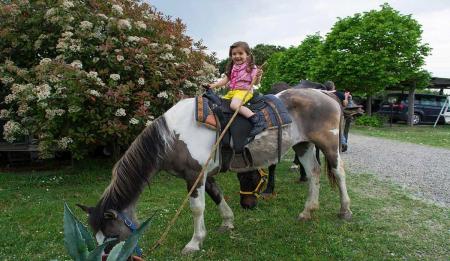
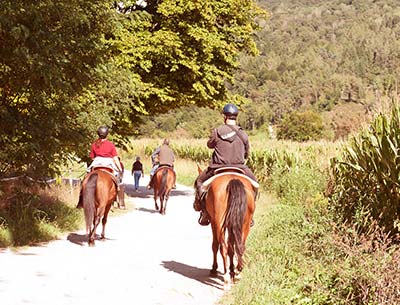
- Integrated experiences: wine tastings, trekking, horseback riding, traditional cuisine, wellness
Costs and seasonality:
- Average overnight stay in a Tuscan farmhouse: between €80 and €180 per person per night (with breakfast)
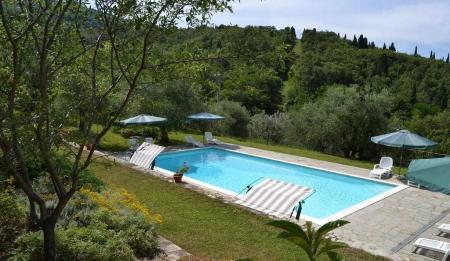
- Villa with private pool in high season: from €1,500 to over €5,000 per week for the entire property
- peak season: May–October, with peaks in August and September (harvest)
- Spring and autumn: ideal weather, fewer crowds, lower prices
Explanation
Tourism in Tuscany: 15 million arrivals in 2024
According to the official report from the Tuscany Region, in 2024, Tuscan accommodation facilities recorded almost 15 million arrivals and almost 46 million overnight stays, essentially in line with 2023 (approximately 2% arrivals). Foreign tourists are the dominant component: among the growing markets, the United States and China stand out, while arrivals from Russia are declining. The provinces with the greatest tourist appeal are Florence, Livorno (for the seaside and Elba), Siena, and Grosseto . 2024 confirms itself as a year of consolidated stability, following the strong post-pandemic recovery of 2022–2023. 2025 recorded just over 15 million arrivals and almost 46 million overnight stays, essentially stable compared to 2024; including tourist rentals, overall demand increased by approximately 2 million arrivals and 9.7 million overnight stays .
(Sources: Tuscany Region – Arrivals and Presence Report 2024 and 2025; IRPET, July 2025)
Agritourism in Tuscany: the most dynamic segment
Agritourism is one of the driving forces behind Tuscan tourism: Agritourism stays have grown by 20% compared to the pre-Covid two-year period (2018–2019), reaching a 23.5% increase compared to that period. Agritourism will account for 11% of total regional stays in 2024, ranking among the most popular accommodation types after campsites/tourist villages (22%) and 4- or 3-star hotels (21% and 15%). The foreign component of Tuscan agritourism stays has reached peaks of 70%, with significant increases in recent years : rural Tuscany is the preferred destination for wine tourists and international "slow" tourists.
(Sources: Tuscany Region – Arrivals and Presences Report 2024)
Tuscany's Territories: What to See and Where to Start
Tuscany offers a variety of landscapes and destinations that is difficult to match in Italy:
- Chianti and Siena : the heart of rural Tuscan tourism, with Chianti Classico vineyards, villages like Castellina, Radda, and Gaiole, and the city of Siena with its famous Palio. Ideal for wine tastings and villa stays.
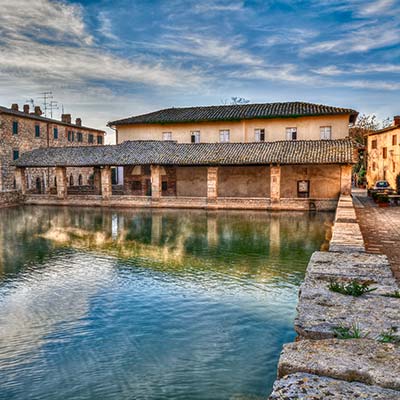
- Val d'Orcia : a UNESCO World Heritage Site, with the iconic landscapes of Pienza, Montalcino (Brunello), Montepulciano (Vino Nobile), and the thermal baths of Bagno Vignoni. One of the most photographed landscapes in the world.
- Maremma and the Etruscan Coast : wild coastline, natural parks, beaches like Cala Violina, Follonica, San Vincenzo, Populonia, and the island of Elba. Ideal for those seeking sea and nature.
- Florence and its surroundings : world capital of art with the Uffizi, Duomo, Ponte Vecchio and the National Museums. Easily reachable by train from Rome (1.5 hours) and Venice (about 2 hours).
- Lunigiana, Garfagnana, and Versilia : mountain landscapes, chestnut groves, the Cinque Terre reachable from Lucca or La Spezia, and the Versilia coast with Forte dei Marmi and Viareggio.
- Arezzo, Cortona and Valdichiana : hilly landscapes, Renaissance art, the Arezzo Antiques Fair and the Crete Senesi.
- San Miniato and Valdera : famous for the prized white truffle (National Market Exhibition in November), the Chocolate Valley and the hills between Pisa and Florence.
(Sources: Tuscany Tourism Promotion; Tuscany Region)
Market data and trends (Agriturismo.net)
Analyzing the offer of accommodations in Tuscany on Agriturismo.net:
- Tuscany is the region with the highest number of properties on the portal (52% of the total)
- 39% of the Tuscan properties on the portal offer wine tastings or wine tours
- the provinces with the most facilities are Siena, Florence, Grosseto and Arezzo
(Sources: Based on data from Agriturismo.net)
Practical part
How to choose the right property for a holiday in Tuscany
- Define the type of experience you are looking for : a farmhouse for wine tasting and country life, a villa with a swimming pool for a relaxing stay, a B&B near an art city or a holiday home for a family or a group.
- Consider the province of your stay : Siena and Chianti for the classic countryside and wine; Grosseto and Livorno for the sea; Florence for art and museums; Pisa and Lucca for villages and Chocolate Valley.
- Plan your travels : the major cities are well connected by train. To visit villages and the countryside, renting a car is recommended. Florence is 1.5 hours from Rome and about 2 hours from Venice by high-speed train.
- Book early for high season : July, August, and September are the most popular months. The most popular properties in Chianti, Val d'Orcia, and Maremma sell out months in advance.
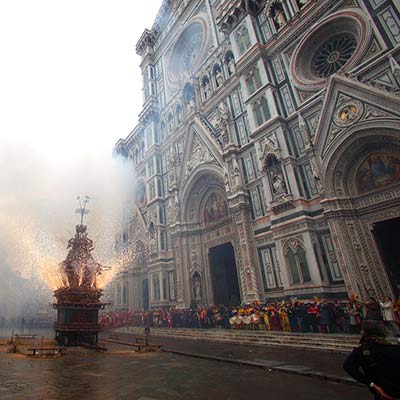
- Combine your stay with the calendar of local events : grape harvest (September–October), truffle fairs (November), Viareggio Carnival (February), Palio di Siena (July and August), summer festivals
- Check the included services : breakfast with farm products, tastings, swimming pool, riding stables, cooking classes: each property offers different options. Contacting the property directly allows you to customize your stay.
- Ask the owner : Have any questions? Before booking, contact the property directly with your no-obligation request using the "Ask the owner" button on the property page you're interested in.
FAQ
How many tourists visit Tuscany each year?
In 2024, Tuscany recorded almost 15 million arrivals and almost 46 million overnight stays in accommodation facilities, in line with 2023. Including tourist rentals, overall demand for 2025 exceeds 17 million arrivals and 55 million overnight stays.
(Sources: Tuscany Region – Arrivals and Presences Report 2024 and 2025)
What is the best time to visit Tuscany?
Spring (April–May) and autumn (September–October) offer the best balance of climate, scenery, prices, and quality of experience. September is considered by many to be the ideal month: the harvest is underway, temperatures are still warm, golden landscapes are golden, and there are fewer crowds than August.
What are the most famous wines of Tuscany?
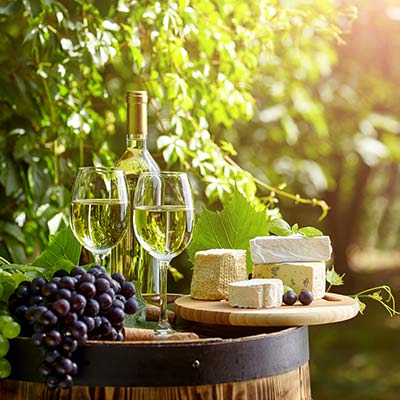
The main Tuscan appellations are Chianti Classico DOCG, Brunello di Montalcino DOCG, Vino Nobile di Montepulciano DOCG, Vernaccia di San Gimignano DOCG (the first Italian wine to obtain DOC status in 1966), and the Super Tuscans. Tuscany is the region with the highest number of agritourisms offering wine tours and tastings in Italy (59.4% of the national total).
(Sources: Nomisma Wine Monitor)
How much has agritourism tourism grown in Tuscany?
Attendance at Tuscan agritourism businesses increased by 20% compared to the pre-Covid two-year period (2018–2019), reaching a 23.5% increase compared to that period. Agritourism businesses accounted for 11% of the region's total attendance, with a foreign component reaching peaks of 70%.
(Sources: Tuscany Region – Arrivals and Presences Report 2024)
How far is Florence from Rome and Venice?
Thanks to high-speed trains (Frecciarossa, Italo), Florence can be reached from Rome in about 1 hour and 30 minutes and from Venice in about 2 hours. Booking in advance offers very advantageous deals.
What are the UNESCO sites in Tuscany?
Tuscany is home to seven UNESCO World Heritage Sites: the Historic Center of Florence, the Piazza del Duomo in Pisa, the Historic Centers of Siena, San Gimignano, and Pienza, the Val d'Orcia, and the Medici Villas and Gardens (shared with other regions). It is one of the Italian regions with the highest concentration of UNESCO World Heritage Sites in the world.
What to eat in Tuscany?
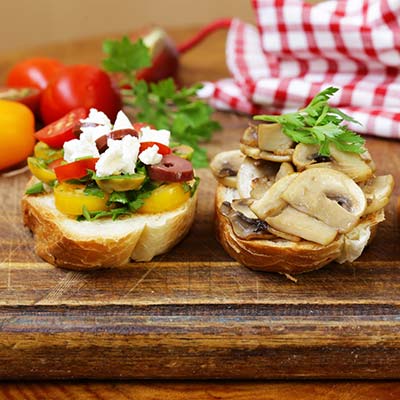
Signature dishes include Florentine steak, ribollita, pappa al pomodoro, pici with wild boar ragù, Pienza pecorino cheese, finocchiona (a cured fennel) and Colonnata lard. The region's top products are white truffles (October–January), new extra virgin olive oil (November), and DOCG wines. Chocolate Valley, between Pisa, Lucca, and Florence, is home to some of Italy's finest artisanal chocolate factories.
What to see in Tuscany besides the art cities?
Tuscany offers much more than Florence, Siena, and Pisa: the Val d'Orcia, a UNESCO World Heritage Site, the Maremma with its wild beaches, the island of Elba, the villages of Chianti, the Crete Senesi, the Lunigiana and Garfagnana with their mountain landscapes, the thermal baths of Saturnia and Bagno Vignoni, and Versilia with Forte dei Marmi and Viareggio.
Do the properties in Tuscany on Agriturismo.net accept short-term reservations?
It depends on the property and the season. In high season (July–August), many properties apply a minimum stay of 5–7 nights. In low season and outside of the summer peaks, many properties accept stays of 2–3 nights or even short weekends.
Sources
Arrivals and presences in Tuscany. 2024 data – Tuscany Region
Arrivals and overnight stays in Tuscany: key findings for 2025 – Tuscany Region
Tuscany Tourism Report 2024 and First Quarter 2025 – IRPET, July 2025
Agritourism Businesses in Italy, Year 2024 – ISTAT
Are you ready to discover one of the world's most famous regions? Here you'll find useful tips for your journey through the villages and landscapes of Tuscany , whether you choose to stay in a farmhouse in the heart of Chianti or in a vacation home or villa near Pisa or Lucca , for example.
What's the best way to visit Tuscany? The major cities are well connected by a dense network of trains and buses. However, if you'd like to explore the region's many picturesque villages off the beaten track , we recommend renting a car. Take your time and avoid relying on public transportation. It's the best way to fully enjoy all the Tuscan landscapes.
How far are Rome and Venice from Florence? They're much closer than you might think: thanks to high-speed trains, you can reach the majestic Eternal City in an hour and a half and splendid Venice in about two hours. You might be able to find some ticket deals by booking well in advance or at a super last minute deal.
What are the traditional Tuscan dishes? Our first piece of advice is to stay away from the "tourist-catching" restaurants, especially those concentrated in the big cities. Instead, opt for well-reviewed trattorias or osterias renowned for the authenticity of their recipes, from the renowned Florentine steak to bread soup , from cheeses to cured meats, all accompanied by a selection of Tuscan wines. And for dessert? Don't worry, you're always in the right place: welcome to Chocolate Valley ! Among the most delicious, we mention De Bondt in Pisa, Mannori in Prato, Slitti near Florence, and Amedei near Pontedera... yours will turn into a true journey of taste!
Finally... when to go? Any time is a good time to visit Tuscany: in spring and autumn, the countryside and cities blossom again or take on shades of yellow, red, and orange. You can taste white truffles, temperatures are mild, there are fewer tourists, and accommodations are more affordable. In summer, the heat becomes intense, the days are longer, the colors of nature are more vibrant, and the weather is perfect for a swim in the sea at Cala Violina, Follonica, San Vincenzo, Quercianella... and it's also a time for food festivals and music festivals, culminating in the grape harvest at the end of September. In winter, the landscapes seem frozen but remain beautiful, such as the Val d'Orcia, where delicious products like the white truffle are rediscovered, and you can admire villages and towns adorned with Christmas or Carnival decorations. Whatever season you decide to visit, remember to send us a postcard! ;)
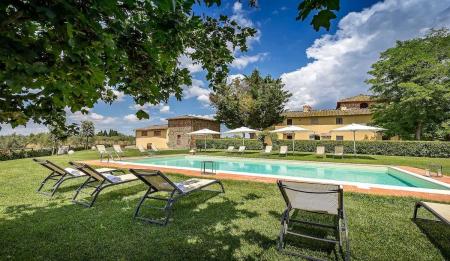
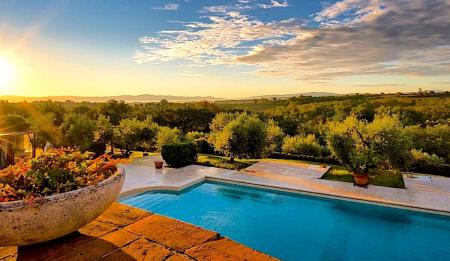
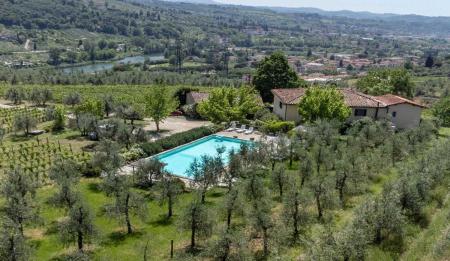
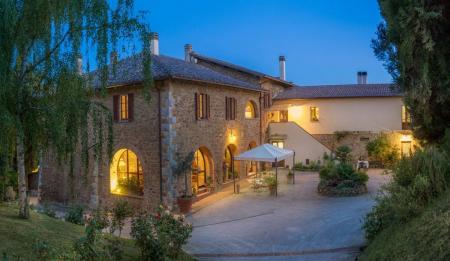


Choose your region: - Holiday in Tuscany
Look at the related items - Holiday in Tuscany
You could be interested in these additional travel tips
Discover all our ideas for your next weekend! A relaxing, with dinner, or a romantic getaway: we've got what you need!