Farm holiday with riding stables
Horseback riding holidays on a farm with riding stables
choosing the best villas, B&Bs and Agritourism for your holidays in the countryside, since 1998
- Choose your destination
- Cancel Dates [X]
Info and Description
Farm holidays with riding stables in Italy: horseback riding, equestrian trekking, and how to choose.
Short definition
An agritourism with a riding stable is a farm that combines rural hospitality with an equipped area for horseback riding, offering riding lessons, horseback riding, equestrian trekking, and, in some cases, hippotherapy. A passion for the world of horses involves one-third of Italians in one way or another: the Italian equestrian sector boasts 315,000 horses, 21,000 federated equestrian tourists, and 7,000 km of certified bridleways throughout the country. The global equestrian tourism market, estimated at $1.32 billion in 2023, is forecast to reach $2.51 billion by 2030, with an annual growth rate of 10.1%.
(Sources: Nomisma for Fieracavalli, October 2024; Final Furlong / Cavallo Magazine, 2025)
In short
The farmhouses with riding stables on Agriturismo.net are characterised by:
• internal riding stables or those affiliated with a nearby facility
• private or group riding lessons for all levels, from beginners to experts
• horseback riding and equestrian trekking on local paths and bridleways
• possibility of practicing hippotherapy in equipped facilities
Costs and seasonality:
• individual riding lesson: between €30 and €60 per hour
• Guided horseback ride (1–2 hours): between €20 and €50 per person
• half-day horse trekking: between €50 and €100 per person
• peak season for outdoor riding: Spring and Autumn
Explanation
The equestrian sector in Italy: numbers and trends
According to the Nomisma research presented at Fieracavalli in October 2024, there are 315,000 registered horses in Italy, and a passion for the equestrian world involves one-third of Italians in one way or another, a double-digit increase since the last survey six years ago. In the last 12 months, 9% of the population has gone horseback riding (up 2% from 2018), and over 70% of those interviewed said they plan to organize a horseback riding excursion or holiday in the next two to three years: a very large potential demand pool. The Italian equestrian sector is characterized by strong territorial fragmentation and a mixed vocation—sport, recreation, tourism, and therapeutic—making it one of the most dynamic niches in outdoor tourism.
(Sources: Nomisma for Fieracavalli, October 2024; Spazio50.org, November 2024)
Equestrian tourism in Italy: 21,000 equestrian tourists and 7,000 km of bridle paths
Italian equestrian tourism relies on a consolidated infrastructure: 21,000 members of the Italian Federation of Equestrian Tourism and Trec (FITE), 30 ENGEA-certified bridleways, and 7,000 km of marked bridleways throughout the country, designed to offer safe, high-quality itineraries. There are approximately 1,375 agritourism facilities with stables offering the opportunity to experience horses, including not only actual stables but also those offering horseback riding and trekking. These are complemented by hundreds of centers focused on promoting equestrian tourism and outdoor trekking, spread across all regions. The global equestrian tourism market was worth $1.32 billion in 2023 and is expected to reach $2.51 billion by 2030, with an annual growth rate of 10.1%.
(Sources: FITE; ENGEA; Nomisma / Fieracavalli, 2024; Final Furlong / Cavallo Magazine, 2025)
Activities available on a farm with riding stables
The offer of a farmhouse with riding stables generally includes:
• Horseback riding lessons: individual or group, for complete beginners (including children) and experienced riders. Some establishments offer structured courses consisting of multiple lessons for those who want to learn the basics during their stay.
• Guided horseback rides: short excursions (1–2 hours) to discover the surrounding area on horseback, suitable even for those who have never ridden. The guide leads the group along safe, scenic trails.
• Horseback trekking: longer excursions, half-day or full-day, on bridleways and rural paths. They allow you to explore landscapes otherwise inaccessible by car, from the saddle.
• Hospitality for guests' horses: the facilities with equipped boxes and paddocks allow riders to bring their horses on holiday, a service much appreciated by more experienced enthusiasts.
• Hippotherapy: some riding facilities offer hippotherapy sessions, a recognized rehabilitative practice that uses contact with the horse to support therapeutic paths in people with physical, cognitive or emotional disabilities.
(Sources: FITE; based on Agriturismo.net data)
Hippotherapy: a growing practice
Hippotherapy (or equine rehabilitation) is a recognized therapeutic practice that uses the contact and movement of horses as a support tool in rehabilitation programs for people with physical, cognitive, mental, or sensory disabilities. In Italy, hippotherapy is regulated by the Italian Equestrian Sports Federation (FISE) and practiced in accredited centers throughout the country. Documented benefits include improved balance and posture, development of motor coordination, reduction of anxiety, and improved interpersonal skills. Some agritourism facilities with riding stables are equipped to offer hippotherapy sessions, making it a valuable option for families with children with special needs.
(Sources: FISE – Italian Equestrian Sports Federation)
Market data and trends (Agriturismo.net)
Analyzing the offer of facilities with riding stables on Agriturismo.net:
• 30% of the facilities on the portal have internal or affiliated riding stables
• 67% of these facilities accept pets
• the regions with the most riding stables are Tuscany, Umbria, Sicily and Lazio
(Sources: Based on data from Agriturismo.net)
Practical part
How to choose a farmhouse with a riding stable
• Check the types of activities available: there's a difference between a riding school that only offers lessons in the field and one that offers outdoor walks, trekking on bridleways, or guided tours in the area. Ask in detail what's included.
• Ask about the experience required: some establishments accept complete beginners, others prefer guests with some experience on the saddle. It's essential to check this before booking, especially for small children.
• Check the availability of boxes for your horses: if you travel with your animals, ask about the size of the boxes, the availability of paddocks, the quality of the fodder and the additional costs for shelter
• Ask if hippotherapy is available: Not all riding facilities are equipped for hippotherapy. If it's a priority, check to see if there are qualified operators and suitable horses.
• Consider the season: Spring and autumn are ideal for equestrian trekking and outdoor riding. In summer, the heat can make activities more challenging for horses and riders.
• Check the proximity to certified bridleways: the facilities located along the 30 ENGEA bridleways or near regional bridleways offer more structured and safe equestrian trekking routes
• Evaluate the instructors' experience: for riding lessons, ask for the instructors' qualifications (FISE or FITE) and the maximum rider/instructor ratio for group lessons
• Ask the owner: Have any questions? Before booking, write directly to the property by entering your request without obligation using the "Ask the owner" button on the page of the property you are interested in.
FAQ
What is a farm with a riding stable?
A farm with a riding stable is a rural accommodation facility equipped with a riding area: stables for horses, a field or covered track, and spaces for lessons and rides. Some properties have an on-site riding stable, while others collaborate with nearby equestrian centers.
Do you need to know how to ride a horse to stay at a farmhouse with a riding stable?
No. Most establishments welcome both complete beginners and experienced riders. Many offer introductory riding lessons and guided rides suitable for both beginners and experienced riders, including children. It's always advisable to let us know your experience level when booking.
How much does a horseback riding lesson on a farm cost?
An individual lesson averages between €30 and €60 per hour. A one-hour guided horseback ride generally costs between €20 and €50 per person. A half-day horseback trek can range between €50 and €100 per person, depending on the facility and route.
Can I bring my horse to the farm?
It depends. Some riding stables have stables, paddocks, and equipped spaces to house guests' horses, but it's important to inquire before booking. This option is popular with enthusiasts who don't want to be separated from their animals during their vacation. It's essential to check availability and additional costs before booking.
What is hippotherapy and where is it practiced?
Hippotherapy, or equine rehabilitation, is a therapeutic practice that uses contact with horses as a support tool in rehabilitation programs for people with physical, cognitive, or emotional disabilities. In Italy, it is regulated by the FISE (Italian Equestrian Sports Federation) and practiced in accredited centers. Some agritourism facilities with riding stables offer hippotherapy sessions with qualified professionals.
(Sources: FISE – Italian Equestrian Sports Federation)
What is a bridleway?
A bridleway is a marked and equipped trail for equestrian trekking, similar to hiking trails but designed for horseback riding or other equines. In Italy, there are 30 ENGEA-certified bridleways, totaling 7,000 km of trails throughout the country, connecting villages, nature parks, and rural areas.
(Sources: ENGEA; FITE)
How many riding stables are there in Italy?
Approximately 1,375 Italian agritourism facilities offer the opportunity to experience horses, including riding stables, equestrian centers, and horseback riding options. These are complemented by hundreds of specialized equestrian tourism centers spread across all regions. According to Agriturismo.net data, 30% of the portal's properties have their own riding stables or affiliated riding centers.
(Sources: Nomisma / Fieracavalli, 2024)
What is the best time for a horse riding holiday?
Spring (April–June) and autumn (September–October) are the ideal seasons for horseback riding and outdoor walks: mild temperatures, landscapes in bloom or with autumnal colors, and fewer crowds. Summer is also possible but requires greater attention to temperatures, especially during the midday hours.
Are farms with riding stables suitable for families with children?
Yes, many establishments offer horseback riding activities for children: ponies for the little ones, safe introductory lessons, and guided walks at a leisurely pace. The recommended minimum age varies from establishment to establishment: checking before booking is essential to ensure a suitable and safe experience.
How big is the equestrian tourism market?
The global equestrian tourism market was estimated at $1.32 billion in 2023 and is expected to reach $2.51 billion by 2030, with a compound annual growth rate of 10.1%.
(Sources: Final Furlong / Cavallo Magazine, 2025)
Sources
The equestrian sector in Italy: Nomisma survey for Fieracavalli 2024
Equestrian Tourism: The Future Is Here – Cavallo Magazine, March 2025
Equestrian tourism is on the rise in Italy – Spazio50.org, November 2024
FISE – Italian Equestrian Sports Federation
FITE – Italian Federation of Equestrian Tourism
Agritourism Businesses in Italy, Year 2024 – ISTAT
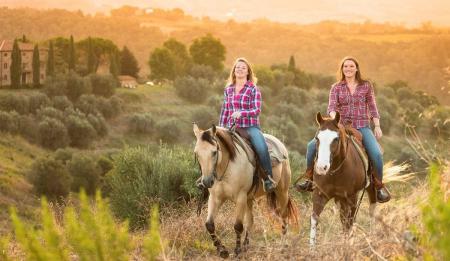
If you haven't yet discovered how relaxing and healthy a horseback ride immersed in nature can be, along one of the trails dedicated to equestrian trekking , now is the perfect time to do so! Choosing a farmhouse with a riding stable means enjoying pleasant horseback rides, discovering pristine natural landscapes along trails dedicated to horseback riding that you otherwise wouldn't have the opportunity to explore. It means alternating and enhancing your relaxing stay with private or group riding lessons organized by the farmhouse itself or by nearby affiliated establishments.
If you're passionate about horseback riding and equestrian tourism and enjoy traveling with your pets, choosing a farm stay with stables also means you can stay in agritourisms and vacation homes with dedicated spaces to accommodate your horses! The selection of vacation homes, villas, B&Bs, and farm stays with stables published on Agriturismo.net offers you the opportunity to spend a relaxing stay in the green Italian countryside while learning to ride if you've never done it before, or simply enjoying the scenery on your own horse if you're an experienced rider. Many stables also offer hippotherapy . A complete list of all B&Bs, villas, vacation homes, and farm stays with stables in various regions of Italy is also available.
Look at the related items - Farmhouse with riding stables
You could be interested in these additional travel tips
Discover all our ideas for your next weekend! A relaxing, with dinner, or a romantic getaway: we've got what you need!